Blog

What Are Decals and How Do They Work? A Complete Guide for Businesses

What Are Decals and How Do They Work? A Complete Guide for Businesses

Overview

Decals are durable, adhesive graphics or lettering applied to surfaces like windows, walls, vehicles, and floors to promote businesses effectively. Made mainly from vinyl, they are weather-resistant, versatile, and customizable in size, shape, and color. Decals work by transferring the design onto a clean surface using adhesive or transfer tape, offering long-lasting visibility. Businesses use them for storefront branding, vehicle advertising, interior messaging, and events. Choosing the right material, professional design, and proper installation ensures clear, high-quality visuals that enhance brand recognition and create a lasting impression.

What Are Decals?

A decal is a design, image, or lettering printed on a special material, usually vinyl, that can be transferred onto another surface. Unlike regular stickers, decals are designed to be more durable and long-lasting. They are often used for branding, decoration, advertising, and informational purposes.

Decals can be applied to many surfaces, including:

  • Glass windows
  • Walls
  • Vehicles
  • Floors
  • Metal panels
  • Plastic surfaces

Most decals are made from vinyl because it is strong, weather-resistant, and flexible. This makes them ideal for both indoor and outdoor use.

How Do Decals Work?

Decals work through a simple transfer process. The design is printed or cut onto a vinyl sheet. A backing paper protects the adhesive side, while a transfer tape holds the design in place during installation.

Here is how the process usually works:

  1. The surface is cleaned to remove dust and grease.
  2. The backing paper is removed to expose the adhesive.
  3. The decal is carefully placed on the surface.
  4. Pressure is applied to ensure strong bonding.
  5. The transfer tape is removed, leaving the design behind.

The adhesive on the decal forms a secure bond with the surface. High-quality decals are designed to resist sunlight, moisture, and temperature changes. This is why they remain intact for years without fading or peeling.

Different Types of Decals for Businesses

Not all decals are the same. Different types are designed for different purposes.

1. Vinyl Lettering Decals

These are cut-out letters or shapes without a background. They are often used for:

  • Business hours on doors
  • Company names on windows
  • Vehicle branding

They offer a clean and professional look.

2. Printed Graphic Decals

These include full-color images, logos, or promotional graphics. They are perfect for marketing campaigns, product displays, and trade shows.

3. Window Decals

Window decals can be transparent, opaque, or perforated. Perforated window decals allow people inside to see out while displaying a full graphic outside.

4. Floor Decals

These are made with special slip-resistant materials. Businesses use them for directional signs, promotions, or safety instructions.

5. Vehicle Decals

Vehicle decals turn company cars and trucks into moving advertisements. They are durable and designed to withstand outdoor conditions.

Benefits of Using Decals for Business

Decals offer many advantages that make them a smart investment.

Affordable Marketing Tool

Compared to billboards or digital ads, decals are cost-effective. Once installed, they continue to promote your business without additional costs.

Easy to Customize

Decals can be made in any size, shape, or color. Businesses can fully customize them to match their brand identity.

Simple Installation and Removal

Professional installation ensures a smooth finish. When needed, decals can also be removed without damaging the surface.

Long-Lasting Results

High-quality vinyl decals can last several years. They resist weather, fading, and wear.

Versatile Applications

Decals can be used almost anywhere. Whether it is a retail store, office building, restaurant, or service vehicle, decals fit every business need.

How Businesses Use Decals for Branding

Brand visibility is essential for growth. Decals help businesses stand out and communicate clearly.

Storefront Branding

Window decals display logos, business hours, promotions, and contact details. They create a strong first impression.

Vehicle Advertising

Company vehicles with decals travel through different areas daily. This increases brand exposure without ongoing advertising costs.

Interior Design and Messaging

Inside offices and retail spaces, wall decals can display mission statements, motivational quotes, or branding elements. This builds a strong brand identity.

Event and Trade Show Displays

Temporary decals are perfect for exhibitions and events. They are easy to install and remove after the event ends.

Choosing the Right Decal Material

Selecting the right material is important for long-term performance.

  • Standard Vinyl: Ideal for indoor use and short-term promotions.
  • Premium Outdoor Vinyl: Best for vehicles and exterior signage.
  • Removable Vinyl: Suitable for temporary campaigns.
  • Static Cling: Works without adhesive and is often used on glass.

The surface type, weather, and length of use should guide your choice.

Design Tips for Effective Decals

A well-designed decal makes a bigger impact. Here are some helpful tips:

  • Keep the message short and clear.
  • Use high-contrast colors for visibility.
  • Choose readable fonts.
  • Include your logo for brand consistency.
  • Avoid overcrowding the design.

Professional design ensures that your decal looks polished and communicates effectively.

Common Mistakes to Avoid

Businesses sometimes overlook important details when ordering decals. Avoid these mistakes:

  • Skipping surface preparation before installation
  • Choosing the wrong vinyl type
  • Using low-resolution images
  • Ignoring weather exposure factors
  • Overloading the design with too much text

Paying attention to these details ensures better results and longer-lasting performance.

Why Professional Printing Matters

While decals may seem simple, quality makes a big difference. Professional printing ensures:

  • Sharp graphics
  • Accurate color matching
  • Durable materials
  • Clean cutting and finishing
  • Long-term adhesion

Poor-quality decals may peel, fade, or bubble quickly. Working with experienced professionals guarantees better value and appearance.

Final Thoughts on Business Decals

Decals are powerful branding tools that combine creativity, affordability, and durability. They work by transferring custom designs onto surfaces using strong adhesive materials. From storefront windows to vehicle wraps, decals help businesses increase visibility and share their message effectively.

Choosing the right design, material, and installation process ensures long-lasting results. Whether you need simple window lettering or full-color vehicle graphics, professional support can make the process smooth and successful.

For high-quality custom decals tailored to your business needs, Precision Signs & Imaging provides expert design, printing, and installation services to help your brand stand out in a competitive market.

Contact Precision Signs & Imaging at 952-595-5678 to transform your brand visibility with decals today.

Frequently Asked Questions

What is a decal?
A decal is a design, image, or lettering printed on vinyl or similar materials, applied to surfaces like windows, walls, vehicles, or floors. Unlike regular stickers, decals are durable, weather-resistant, and customizable, making them ideal for branding, marketing, decoration, or informational purposes for businesses of all sizes.

How do decals work?
Decals work through a transfer process. The design is printed or cut onto vinyl, and the adhesive side is protected by backing paper. The decal is applied to a clean surface, pressure is applied, and the transfer tape is removed. This creates a long-lasting bond that resists fading, peeling, and outdoor conditions.

What surfaces can decals be applied to?
Decals can be applied to glass, walls, floors, metal panels, plastic, and vehicles. Vinyl flexibility and strong adhesive allow decals to stick to smooth, clean surfaces both indoors and outdoors, making them versatile for storefronts, offices, trade shows, or vehicles.

What types of decals are there?
Common types include vinyl lettering decals, printed graphic decals, window decals, floor decals, and vehicle decals. Each serves different purposes, from simple text branding to full-color images or directional and safety signage, providing businesses with versatile options for indoor and outdoor marketing.

How long do decals last?
High-quality vinyl decals can last several years. Premium outdoor vinyl resists sun, moisture, and temperature changes, while indoor vinyl lasts for shorter-term applications. Proper surface preparation, installation, and material selection are key to ensuring longevity and preventing fading, peeling, or bubbling.

Can decals be removed without damage?
Yes, many decals, especially removable vinyl, can be peeled off without harming the surface underneath. Using proper installation techniques and professional-grade materials ensures clean removal, making decals suitable for temporary promotions, events, or trade shows.

Are decals cost-effective for marketing?
Decals are an affordable marketing tool. Compared to billboards, digital ads, or large signage, decals provide long-term visibility with a one-time investment. Vehicles, storefronts, and interior spaces with decals continuously promote the brand without recurring costs.

What design tips make decals effective?
Effective decals have short, clear messages, high-contrast colors, readable fonts, and brand-consistent logos. Avoid overcrowding the design. Professional design ensures visual appeal, sharp graphics, and easy readability, maximizing customer engagement and brand recognition.

What mistakes should businesses avoid when using decals?
Common mistakes include skipping surface preparation, choosing the wrong vinyl type, using low-resolution graphics, ignoring weather exposure, and overcrowding the design. Attention to these factors ensures a smooth application, long-lasting performance, and a professional appearance.

Why should businesses use professional decal services?
Professional printing ensures high-quality materials, precise cutting, accurate colors, sharp graphics, and long-term adhesion. Experts also help with installation, ensuring decals remain visually appealing, durable, and effective for branding, marketing, or promotional campaigns.

Posted in Customer Feedback | Tagged , , , , , , , , , | Comments Off on What Are Decals and How Do They Work? A Complete Guide for Businesses

What Is Wayfinding Signage and How Does It Improve Navigation?

What Is Wayfinding Signage and How Does It Improve Navigation?

Overview

Wayfinding signage is a system of signs designed to guide people through buildings and outdoor spaces with ease, answering key questions like “Where am I?” and “How do I get there?” It includes directional signs, maps, room labels, and safety instructions that work together to create a seamless navigation experience. Clear wayfinding reduces stress, saves time, improves safety, and enhances visitor experience, reflecting professionalism and organization. Used in airports, hospitals, offices, retail centers, and campuses, effective signage not only guides people efficiently but also strengthens brand image and creates a welcoming environment.

What Is Wayfinding Signage?

Wayfinding signage includes visual tools that help people move through spaces easily. These signs work together as a complete system rather than as individual pieces placed randomly. Each sign supports the next, creating a logical flow that guides visitors at every step. When properly coordinated, the system prevents confusion and ensures a seamless navigation experience.

Common types include:

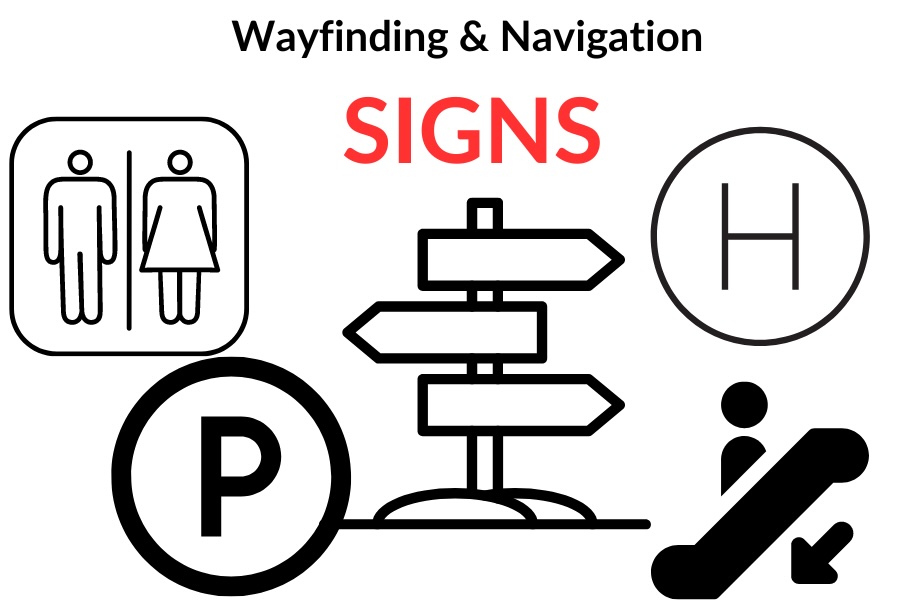
  • Directional signs: Arrows and text guiding people toward exits, restrooms, or departments.
  • Informational signs: Maps and directories showing the full layout of a building or property.
  • Identification signs: Labels for rooms, offices, meeting spaces, or floors.
  • Regulatory signs: Safety instructions like “No Entry,” “Authorized Personnel Only,” or “Emergency Exit.”

Each sign plays a specific role. For example, a directory near the entrance provides an overview, while hallway signs help visitors make decisions at intersections. When combined correctly, these signs create a smooth path that feels natural to follow. This structured approach builds confidence, reduces hesitation, and enables individuals to move through unfamiliar spaces with greater comfort and efficiency.

Why Clear Wayfinding Matters

Clear signage reduces confusion and improves safety. In busy environments, people often need quick answers. Without guidance, they may stop to ask questions, walk in the wrong direction, or feel frustrated.

Effective wayfinding:

  1. Reduces stress and uncertainty
  2. Improves safety and emergency alertness
  3. Saves time for visitors and staff
  4. Enhances the overall visitor experience
  5. Supports smooth daily operations

In large commercial buildings, navigation is especially important. Service professionals, delivery teams, and contractors must find their destinations efficiently. For example, technicians from Apex Plumbing & Sewer Inc. may need clear directions to mechanical rooms or service areas without delays. Proper signage makes that process simple and efficient.

Key Elements of Effective Signage

Designing wayfinding signage requires careful planning; it is not just about placing arrows on walls. Successful systems follow crucial design principles that ensure clarity, consistency, visibility, and smooth navigation throughout the entire space. Designers must study traffic flow, entry points, visitor behavior, and decision-making moments to place signs strategically. Every element should guide users naturally and reduce hesitation.

  • Visibility: Signs must be easy to spot from a distance.
  • Consistency: Use matching fonts, colors, and symbols throughout.
  • Clarity: Keep messages short and simple.
  • Hierarchy: Highlight the most important information first.
  • Strategic placement: Install signs before decision points, not after.

Lighting, color contrast, and readable font size also matter. A well-designed sign should be understood in seconds. People rarely stop to read long instructions, so information must be direct, clearly structured, and easy to process at a glance.

Where Wayfinding Is Used

Wayfinding signage appears in various everyday spaces, including busy public buildings, private facilities, and large outdoor environments where clear direction is essential for smooth movement.

  • Airports and transportation hubs
  • Shopping centers and retail stores
  • Universities and schools
  • Hospitals and clinics
  • Corporate offices
  • Parking garages
  • Outdoor parks and trails

Each location has different needs. Hospitals require clear emergency and department signs. Universities often need campus maps and building markers. Retail stores may guide shoppers toward sales areas, restrooms, or checkout counters. Corporate offices depend on lobby directories, suite numbers, and clear floor identification systems.

In office buildings, signage ensures that guests, employees, and outside service providers can navigate quickly. Even professionals like plumbers from Apex Plumbing & Sewer Inc. benefit from clearly marked service corridors and utility areas when performing scheduled maintenance, inspections, or urgent repair tasks.

How Wayfinding Improves Business Image

Good signage does more than guide people; it strengthens the brand image. Clean, professional signs communicate organization and attention to detail. Visitors often judge a space within seconds, and clear navigation plays a big role in that first impression.

A thoughtful wayfinding system also:

  • Encourages people to explore comfortably
  • Reduces the workload on reception staff
  • Improves accessibility for all visitors
  • Creates a welcoming environment

When signage matches the interior design and branding of a space, it blends functionality with style. This balance improves both appearance and usability.

Better Navigation Creates Better Experiences

Wayfinding signage is a powerful tool that improves navigation, safety, and overall satisfaction. It transforms complex environments into organized spaces where people feel confident and informed. From retail centers to hospitals and corporate offices, effective signage is needed to keep movements smooth and stress-free.

When navigation is clear, daily operations become more efficient for visitors, employees, and service providers alike. Investing in a professionally designed signage system ensures long-term value and improved user experience. For expertly crafted and customized wayfinding solutions, trust the experience and quality of Precision Signs & Imaging.

Contact Precision Signs & Imaging at 952-595-5678 to get a clear and smart navigation to transform today.

Frequently Asked Questions

What is wayfinding signage?
Wayfinding signage is a system of visual cues designed to guide people through spaces efficiently. It includes directional signs, maps, room labels, and safety instructions, helping visitors answer questions like “Where am I?” and “How do I get there?” to reduce confusion and improve navigation.

Why is wayfinding important in buildings?
Wayfinding signage reduces stress, saves time, and ensures safety by guiding people through unfamiliar spaces. In large buildings or campuses, clear signs prevent confusion, help visitors reach their destinations quickly, and support smooth daily operations, enhancing both visitor experience and business professionalism.

What are the types of wayfinding signs?
Common types include directional signs (arrows guiding movement), informational signs (maps or directories), identification signs (room or office labels), and regulatory signs (safety instructions). Together, these signs create a complete navigation system that supports seamless movement and decision-making in any environment.

How does wayfinding improve safety?
Wayfinding signage enhances safety by clearly marking exits, restricted areas, and emergency routes. Visitors can quickly identify evacuation paths, avoid hazards, and follow rules, minimizing accidents and ensuring a safer environment in hospitals, offices, airports, or public spaces.

Where is wayfinding signage commonly used?
Wayfinding signage appears in airports, shopping malls, hospitals, universities, corporate offices, parking garages, and outdoor parks. Each location adapts signs to its specific needs, like campus maps for schools, department directions for hospitals, or promotional guidance in retail environments.

How do you design effective wayfinding signage?
Effective design relies on clarity, visibility, consistency, hierarchy, and strategic placement. Signs should be readable from a distance, match the brand style, use simple messages, and appear before decision points. Lighting, color contrast, and font size ensure information is processed quickly by users.

How does wayfinding signage impact business image?
Professional, clean, and well-designed signage conveys organization, attention to detail, and a welcoming environment. It improves visitor perception, reduces staff workload, and encourages exploration, helping businesses present a strong, consistent brand image while supporting functional navigation.

Can wayfinding signage help employees and service providers?
Yes, clear signage helps staff and service providers locate rooms, service areas, and equipment quickly. For example, maintenance teams or delivery personnel can reach their destinations efficiently, reducing delays and improving operational workflow within offices, hospitals, or commercial buildings.

What makes wayfinding signage user-friendly?
User-friendly signage is easy to see, understand, and follow. It prioritizes essential information, uses clear symbols and readable fonts, and is positioned strategically at decision points. By guiding users naturally, it reduces hesitation and stress, creating a smooth navigation experience.

How can businesses invest in effective wayfinding?
Investing in professionally designed signage ensures long-term value, better visitor experience, and enhanced safety. Partnering with experts like Precision Signs & Imaging ensures customized, high-quality systems that match branding, space layout, and user needs, making navigation clear and stress-free.

Posted in Customer Feedback | Tagged , , , , , , , , , | Comments Off on What Is Wayfinding Signage and How Does It Improve Navigation?

Retail Store Signage: Everything You Need to Know

Retail Store Signage: Everything You Need to Know

Overview

Retail store signage is a crucial tool for attracting customers, guiding their shopping journey, and boosting sales. It includes exterior signs, wayfinding, promotional, informational, and digital displays, each serving a specific purpose. Effective signage builds brand identity, communicates value, improves customer experience, and encourages impulse purchases. Key elements include clear messaging, readable fonts, strong visual contrast, strategic placement, and quality materials. Avoid clutter, outdated promotions, and poor placement. Combining traditional and digital signage helps create a seamless, engaging shopping environment that strengthens brand recognition and drives results.

This blog explains everything you need to know about retail store signage, types, benefits, design tips, and common mistakes to avoid.

What Is Retail Store Signage?

Retail store signage includes all visual displays used inside and outside a shop to communicate with customers. These signs may promote products, share prices, highlight offers, or simply guide shoppers to different sections of the store.

Signage can be permanent, such as storefront signs and wayfinding boards, or temporary, like promotional banners and seasonal displays. Both types serve important purposes in improving the shopping experience.

Effective signage does more than just look appealing:

  • Creates strong first impressions
  • Strong brand identity
  • Encourages impulse purchases
  • Improves navigation inside the store
  • Communicates offers clearly

When done right, signage becomes a silent salesperson working around the clock.

Types of Retail Store Signage

There are many different types of retail signs, each designed to serve a specific function. Understanding these types helps business owners choose the right mix for their stores.

1. Exterior Signage

Exterior signs are the first point of contact between your store and potential customers. These include:

These signs attract foot traffic and create brand awareness. A clear, well-designed storefront sign makes your business easy to recognize and remember.

2. Wayfinding Signage

Wayfinding signs help customers navigate your store easily. These include passageway markers, department labels, and directional arrows.

When customers can quickly find what they are looking for, they feel more comfortable and are more likely to stay longer and make additional purchases.

3. Promotional Signage

Promotional signs highlight sales, discounts, and limited-time offers. These signs often use bold colors and large fonts to grab attention.

Examples include:

  • Sale posters
  • Clearance signs
  • Buy-one-get-one displays
  • Seasonal promotions

These signs drive urgency and increase impulse purchases.

4. Informational Signage

Informational signs provide important details such as store policies, safety instructions, or product information. Clear pricing signs also fall into this category. Customers appreciate transparency, and well-placed informational signage builds trust.

5. Digital Signage

Digital screens are becoming more common in modern retail environments. These signs can display rotating promotions, videos, and announcements.

Digital signage is flexible and easy to update, making it ideal for fast-changing promotions.

Why Retail Store Signage Matters

Retail store signage is more than decoration. It directly affects customer behavior and store performance.

1. Builds Brand Identity

Consistent fonts, colors, and messaging help create a strong brand image. When signage displays your logo and brand personality, customers tend to remember you more easily.

2. Increases Sales

Strategically placed signs can influence buying decisions. For example, placing promotional signs near checkout counters can encourage last-minute purchases.

Clear pricing signs also reduce hesitation and speed up decision-making.

3. Improves Customer Experience

No one enjoys feeling lost in a store. Directional and aisle signage avoids confusion. A smooth shopping experience enhances customer satisfaction and repeat visits.

4. Communicates Value

Well-designed signage can highlight product benefits, special features, and competitive pricing. This helps customers understand why your product is worth buying.

Key Elements of Effective Retail Signage

Creating effective retail store signage requires careful planning and execution. Here are the most important elements to consider.

Clear Messaging

Keep your message simple and straightforward to read. Avoid clutter and long sentences. Customers often glance at signs quickly, so the message should be delivered within seconds.

Readable Fonts

Choose fonts that are clear and professional. Avoid overly decorative styles that are hard to read from a distance.

Strong Visual Contrast

Use contrasting colors between text and background. This improves visibility and attracts attention.

Strategic Placement

Place signs where customers naturally look. Eye-level placement works best for most messages. Promotional signs should be near related products.

Quality Materials

Durable materials ensure your signs remain attractive for a longer time. Faded or damaged signage can harm your brand image.

Common Mistakes to Avoid

Even well-meaning businesses can make signage mistakes. Avoid these common issues:

  • Overcrowding signs with too much information
  • Using too many colors or fonts
  • Placing signs too high or too low
  • Failing to update outdated promotions
  • Ignoring lighting conditions

Cluttered or poorly placed signage can overwhelm customers instead of guiding them.

Here Are Some Tips For Designing Retail Signage That Converts

Designing signage that drives results involves more than just printing text on a board. It requires understanding customer behavior and store layout.

Understand Your Target Audience

Consider who shops in your store. Are they families, professionals, or students? The design style and tone should match your audience.

Align with Your Store Layout

Your signage should support your store’s layout and structure. If your store has a circular flow, place directional signs accordingly.

Highlight Key Areas

Focus on:

  • New arrivals
  • Best-selling products
  • Seasonal items
  • Special promotions

These areas benefit most from eye-catching signage.

Test and Improve

Observe how customers interact with your signs. If certain areas feel confusing, adjust placement or wording.

The Future of Retail Store Signage

Retail signage continues to evolve with the latest technology. Interactive displays, LED lighting, and digital screens are becoming more popular. However, traditional signage remains equally important.

The best retail spaces combine physical and digital signage to create a seamless experience. Businesses that invest in professional signage solutions often see stronger brand recognition and improved customer engagement. Choosing the right partner for your signage needs ensures your designs are not only attractive but also functional and long-lasting.

When seeking expert support, working with professionals who understand design, materials, and installation can make a significant difference. Precision Signs & Imaging provides customized signage solutions tailored to retail environments. From storefront displays to interior graphics, their team helps businesses create impactful visual communication that supports growth.

Contact Precision Signs & Imaging at 952-595-5678 to transform your store with signage that drives positive results.

Frequently Asked Questions

What is retail store signage?
Retail store signage includes all visual displays used inside and outside a store to communicate with customers. It can promote products, share offers, guide navigation, or highlight store policies. Effective signage improves the shopping experience, builds brand identity, and influences customer buying decisions.

Why is retail signage important?
Retail signage attracts attention, builds brand recognition, improves store navigation, communicates value, and drives sales. Strategically placed signs can encourage impulse purchases, reduce confusion, and create a seamless shopping experience that keeps customers engaged and increases overall store performance.

What are the main types of retail store signage?
The main types are exterior signage (storefronts, banners), wayfinding signage (directional and aisle markers), promotional signage (sales, discounts), informational signage (policies, pricing), and digital signage (LED or screen displays). Each serves a unique purpose in guiding, informing, and influencing shoppers.

How can signage boost sales?
Signage boosts sales by highlighting promotions, new arrivals, or best-selling products. Placing signs near checkout or high-traffic areas encourages impulse purchases. Clear pricing and product benefits reduce hesitation, helping customers make faster buying decisions and increasing overall revenue.

What makes retail signage effective?
Effective signage features clear messaging, readable fonts, strong visual contrast, strategic placement, and quality materials. It conveys information quickly, draws attention, and aligns with your brand image. Properly designed signage guides customers and encourages engagement without overwhelming them.

How should digital signage be used in retail stores?
Digital signage can display rotating promotions, product videos, announcements, or interactive content. It is flexible, easy to update, and ideal for fast-changing offers. Using digital signage alongside traditional signs creates an engaging experience that keeps customers informed and interested.

What are common mistakes in retail signage?
Common mistakes include cluttered signs, using too many fonts or colors, poor placement, outdated promotions, and ignoring lighting conditions. These errors can confuse customers, reduce brand credibility, and negatively affect the shopping experience.

How do wayfinding signs help customers?
Wayfinding signage guides customers through the store, making it easy to find departments or products. Clear directional signs reduce frustration, improve store navigation, and encourage longer visits, which often leads to increased sales and customer satisfaction.

How can businesses design signage for their target audience?
Businesses should consider customer demographics, preferences, and shopping behavior. Fonts, colors, and messaging should match the audience’s expectations. Highlighting relevant promotions and product categories ensures signs are noticed and drive desired actions.

Should retail stores combine traditional and digital signage?
Yes. Combining traditional and digital signage offers flexibility and broader engagement. Physical signs provide constant visibility, while digital displays allow dynamic updates and interactive content. Together, they create a cohesive, modern shopping experience that strengthens brand recognition.

Posted in Customer Feedback | Comments Off on Retail Store Signage: Everything You Need to Know

Maximize Spring Traffic: Outdoor Signage That Draws Customers In

As winter fades and warmer weather arrives, spring brings renewed energy—and with it, increased foot and vehicle traffic. For business owners, this seasonal shift presents the perfect opportunity to capture attention and draw more customers. The right outdoor signage can make a difference in standing out, communicating your message, and driving people through your doors. Here are some options to consider:

A-Frame Signage

One of the most effective and versatile tools for springtime marketing is the classic A-frame sign. Positioned on sidewalks or near entrances, A-frames are ideal for catching the eye of pedestrians. Whether you’re advertising daily specials, limited-time promotions, or simply directing people inside, these portable signs allow you to update your messaging quickly and keep your storefront fresh and relevant.

Banners

Banners are another powerful option, especially for reaching a wider audience. Bold, colorful, and highly visible, banners are perfect for announcing spring sales events, grand openings, or seasonal promotions. When placed strategically—such as across a storefront, along a fence, or near a busy road—banners can grab the attention of both drivers and foot traffic alike.

Window Graphics

Window graphics offer a unique way to transform your storefront into a vibrant marketing tool. With custom designs that reflect your brand and seasonal themes, window graphics can showcase promotions while maintaining visibility into your space. From subtle accents to full-window displays, they create visual interest that draws customers closer and encourages them to step inside.

Promotional Signs

Promotional signs tailored to spring events and holidays are also essential for maximizing seasonal traffic. Whether it’s highlighting Easter specials, spring clearance sales, or outdoor service offerings, these signs help communicate urgency and relevance. Clear, compelling messaging combined with eye-catching design ensures your promotions don’t go unnoticed.

While these signage options are highly effective, their success depends on thoughtful design, proper placement, and quality production. That’s why working with an experienced sign company is essential. An expert team understands how to balance aesthetics with functionality—ensuring your signage not only looks great but also performs effectively in real-world conditions.

By partnering with a professional like Precision Signs & Imaging, business owners gain access to industry expertise, high-quality materials, and customized solutions tailored to their specific needs. From concept and design to fabrication and installation, a trusted sign partner helps ensure your investment delivers maximum impact. They can also guide you on local regulations, optimal sizing, and placement strategies, saving you time and avoiding costly mistakes.

Spring is a season of opportunity, and the right outdoor signage can help you make the most of it. By leveraging tools like A-frames, banners, window graphics, and promotional signs—and by working with an experienced professional—you can attract more customers, increase visibility, and set your business up for a successful season.

Precision Signs & Imaging …. because image is everything.


Posted in Exterior Signage | Tagged , , , | Comments Off on Maximize Spring Traffic: Outdoor Signage That Draws Customers In

What Is a Light Box & What are They Used for?

What Is a Light Box & What are They Used for?

Overview

A light box is an illuminated display that uses internal lighting to enhance graphics, posters, or branding materials, making messages more visible and eye-catching. Commonly used in retail stores, restaurants, airports, offices, and trade shows, light boxes improve readability and attract attention both day and night. Available in wall-mounted, freestanding, slim, and outdoor designs, they offer versatile applications, including promotions, menus, directional signage, and corporate branding. LED light boxes are energy-efficient, durable, and allow easy graphic changes. Custom designs further align displays with a brand’s identity, strengthening visibility and marketing impact.

This guide explains what a light box is, how it works, the several types available, and the many ways it is used across industries.

What Is a Light Box?

A light box is a display structure that uses internal lighting to brighten graphics, posters, or branding materials. It consists of a strong frame, a light source inside, and a translucent front panel that allows light to shine through evenly. The printed graphic is placed over this panel, creating a glowing effect when the lights are turned on.

The main purpose of a light box is to improve visibility. The internal lighting makes colors appear more vibrant and text easier to read. Even in low-light conditions, the display remains clear and eye-catching.

Light boxes are commonly found in

  • Retail stores
  • Restaurants and cafés
  • Airports and terminals
  • Shopping malls
  • Corporate offices
  • Trade shows

Due to their clean and modern appearance, light boxes are widely used by businesses that want to present their message professionally and attract more attention from customers passing by.

How Does a Light Box Work?

Inside the frame, LED lights or fluorescent tubes are placed behind the printed graphic. The graphic is printed on a back-lit material that allows light to pass through evenly.

When the light source is turned on, it spreads across the surface and lights up the design from behind. A diffuser panel helps distribute the light evenly so there are no dark spots.

A typical light box includes the following:

  • Frame – Provides structure
  • Lighting System – Usually LED
  • Diffuser Panel – Spreads light evenly
  • Graphic Panel – Displays the message

Modern light boxes utilize LED lighting because it lasts longer, uses less electricity, and produces less heat. LED systems are also environmentally friendly and require minimal maintenance, making them a reliable long-term solution for businesses of all sizes.

Types of Light Boxes

There are several types of light boxes available, each designed for specific needs.

Wall-Mounted Light Boxes

These are attached to walls and are commonly seen in malls and offices. They are perfect for advertisements and branding displays.

Freestanding Light Boxes

Freestanding light boxes stand on the floor and can be moved easily. They are often used at exhibitions and storefront entrances.

Slim or Ultra-Thin Light Boxes

Slim light boxes have a sleek design and are ideal for indoor spaces with limited room, while still providing strong brightness.

Outdoor Light Boxes

Outdoor light boxes are built with weather-resistant materials. They can handle rain and sunlight while maintaining visibility. These are especially useful for storefront signs and exterior building displays.

Each type offers enhanced visibility and professional presentation, offering businesses opportunities to choose what best suits their marketing goals.

Common Uses of Light Boxes

Light boxes are versatile and attractive.

Retail Promotions

Retail stores use light boxes to promote:

  • Seasonal sales
  • Special discounts
  • New arrivals
  • Brand campaigns

The bright display helps attract customers and increases the chances of impulse visits.

Restaurant Menus

Illuminated menu boards make menu items easy to read, even in dim dining areas.

Directional Signage

Hospitals, airports, and office buildings use light boxes for navigation, ensuring visitors can move around easily.

Event Displays

At trade shows, a well-designed light box makes a booth look more professional and inviting.

Corporate Branding

Illuminated logos in reception areas create a welcoming environment and leave a lasting impression on visitors and clients.

Benefits of Using Light Boxes

Light boxes provide several advantages.

High Visibility

The lighting ensures the message stands out during both day and night.

Professional Look

Illuminated signs give businesses a modern appearance and strengthen brand identity.

Energy Efficiency

LED light boxes use less power while providing consistent brightness.

Easy Graphic Changes

Many light boxes allow quick replacement of graphics, which is helpful for seasonal promotions.

Long-Lasting Performance

Quality materials and LED systems ensure durability and consistent performance over time.

Why Custom Light Boxes Are Important

Every business has unique branding needs. Custom light boxes enable companies to select the size and design that best fits their space.

Customization options may include:

  • Specific dimensions
  • Single or double-sided displays
  • Different frame finishes
  • Adjustable brightness
  • Indoor or outdoor installation

Custom designs ensure the signage aligns with the brand’s identity and creates a strong visual impact.

Key Factors to Consider Before Buying

Before investing in a light box, businesses should evaluate:

  • Location – Indoor or outdoor
  • Size – Based on viewing distance
  • Lighting Type – LED is recommended
  • Maintenance – Ease of graphic replacement
  • Budget – Quality ensures long-term value

Proper planning helps ensure effective performance and better returns on investment.

How Light Boxes Strengthen Marketing

Strong visual presentation plays a vital role in marketing. A well-designed light box increases brand visibility and captures attention.

People are naturally drawn to illuminated displays. It can lead to:

  • Increased foot traffic
  • Better brand recognition
  • Higher engagement
  • Stronger promotional impact

In competitive markets, standing out visually makes a noticeable difference.

Final Thoughts

Light boxes are practical and effective tools for visual communication. They combine lighting technology with design to create displays that are attractive and functional.

When installed properly, light boxes offer long-term value and improved visibility. Businesses that invest in illuminated signage often experience stronger engagement and improved brand presence.

For businesses seeking professionally crafted and customized light box solutions, Precision Signs & Imaging provides reliable services tailored to specific branding needs. Our expertise ensures durable and visually appealing signage that helps businesses stand out from others.

Contact Precision Signs & Imaging at 952-595-5678 to brighten your brand today with experts.

Frequently Asked Questions

1. What is a light box?
A light box is an illuminated display that brightens graphics, posters, or branding materials using internal lighting. It enhances visibility, makes text and colors more vibrant, and attracts attention, making it ideal for retail, restaurants, offices, trade shows, and other spaces where clear messaging is essential.

2. How does a light box work?
Light boxes use LED lights or fluorescent tubes behind a printed graphic on a translucent panel. The light shines evenly through the diffuser, illuminating the graphic. This makes colors vibrant and text readable even in low-light conditions, ensuring a professional and eye-catching display.

3. What are the main types of light boxes?
The main types include wall-mounted, freestanding, slim/ultra-thin, and outdoor light boxes. Each type is designed for specific applications, such as advertisements, events, indoor décor, or weather-resistant outdoor signage. Businesses can choose based on location, space, and promotional needs.

4. Where are light boxes commonly used?
Light boxes are used in retail stores, restaurants, airports, shopping malls, corporate offices, and trade shows. They help display promotional messages, menus, wayfinding signs, and branding elements, making information easy to see and attracting attention from passersby.

5. What are the benefits of using a light box?
Light boxes offer high visibility, a professional appearance, energy efficiency, easy graphic updates, and long-lasting performance. LED models reduce energy costs and maintenance, while illuminated displays improve brand recognition and customer engagement in any environment.

6. Why are LED light boxes preferred?
LED light boxes are preferred because they last longer, consume less electricity, produce minimal heat, and require low maintenance. They also provide consistent brightness and are environmentally friendly, making them a reliable choice for both indoor and outdoor displays.

7. Can light box graphics be changed easily?
Yes, many light boxes allow quick graphic changes. This is ideal for seasonal promotions, sales, new arrivals, or updated branding. Businesses can swap out printed materials without replacing the entire display, saving time and reducing costs.

8. What should I consider before buying a light box?
Before buying, consider location (indoor/outdoor), size, lighting type (LED recommended), ease of maintenance, and budget. Choosing the right design ensures visibility, durability, and a professional appearance while maximizing the display’s marketing impact.

9. How do light boxes help with marketing?
Light boxes strengthen marketing by capturing attention, increasing foot traffic, enhancing brand recognition, and promoting products effectively. Their bright, professional appearance makes messaging memorable and encourages engagement, helping businesses stand out in competitive environments.

10. Can light boxes be customized for a brand?
Yes, light boxes can be fully customized with specific dimensions, frame finishes, single or double-sided displays, adjustable brightness, and indoor/outdoor options. Custom designs ensure the signage aligns with a brand’s identity, creating maximum visual impact and professional appeal.

Posted in Signage Trends | Tagged , , , , , , , , , | Comments Off on What Is a Light Box & What are They Used for?

What Is Digital Signage & How Can It Boost Your Brand Visibility?

What Is Digital Signage & How Can It Boost Your Brand Visibility?

Overview

Digital signage is a modern communication tool that uses electronic screens to display videos, images, menus, promotions, and real-time updates. Unlike traditional signs, it allows businesses to instantly change content, engage customers, and strengthen brand identity. By attracting attention, increasing foot traffic, and promoting products effectively, digital signage boosts brand visibility and encourages impulse decisions. It works across industries, including retail, restaurants, offices, healthcare, and education. With benefits like cost-effectiveness, flexibility, and measurable impact, a well-planned digital signage strategy can enhance customer experience, reinforce brand recognition, and position your business as innovative and professional.

Understanding Digital Signage in Simple Terms

Digital signage utilizes electronic screens such as LED, LCD, or projection displays to show content. This content can include videos, images, menus, announcements, promotions, social media feeds, and more. These screens can be placed indoors or outdoors, depending on business needs.

Unlike traditional printed signs, digital signage allows you to update content instantly. You do not need to print new materials every time you change a message. With just a few clicks, you can adjust pricing, promote a sale, or share important updates.

Digital signage systems usually include:

  • A display screen
  • A media player
  • Content management software
  • Internet or network connection

This simple setup gives businesses full control over what appears on the screen and when it appears.

Why Digital Signage Is Important for Modern Businesses

Customers today are surrounded by information. To stand out, brands must be eye-catching and relevant. Digital signage helps businesses achieve this in several ways.

1. Grabs Attention Quickly

Moving images and videos naturally attract more attention than static signs. Bright visuals and dynamic content make people pause and look.

2. Delivers Real-Time Updates

Businesses can update messages instantly. Whether it is a flash sale, weather alert, or event announcement, information can be changed in seconds.

3. Enhances Customer Experience

Digital displays can reduce confusion by providing clear directions, menus, or service information. It improves the overall customer journey.

4. Strengthens Brand Image

High-quality visuals and consistent messaging create a professional appearance. It builds trust and makes your brand look modern and reliable.

How Digital Signage Boosts Brand Visibility

Brand visibility is about being seen, remembered, and recognized. Digital signage plays a big role in achieving these goals.

Increases Foot Traffic

A bright, attractive screen outside your business can draw people in. When passersby see engaging content, they are more likely to enter and explore what you offer.

Reinforces Brand Identity

You can display your logo, colors, slogans, and promotional messages consistently. Over time, this repeated exposure strengthens brand recognition.

Promotes Products and Services Effectively

Digital signage allows you to highlight featured products, limited-time offers, or new arrivals. Videos and animations make these promotions more exciting and memorable.

Encourages Impulse Decisions

When customers see a well-designed promotion on a screen inside your store, they are more likely to make additional purchases. This helps increase sales without extra effort.

Where Digital Signage Works Best

Digital signage can be used in almost any industry. It is flexible and adaptable to different environments.

Retail Stores

Showcase promotions, new products, and seasonal campaigns.

Restaurants and Cafés

Display digital menus that can be updated easily. Promote special deals or limited-time offers.

Offices and Corporate Spaces

Share company news, announcements, and welcome messages for visitors.

Healthcare Facilities

Provide directions, appointment information, and educational content for patients.

Educational Institutions

Communicate schedules, events, and emergency alerts effectively.

No matter the industry, digital signage helps deliver messages clearly and professionally.

Key Benefits of Investing in Digital Signage

Many businesses hesitate to switch from traditional signage to digital displays. However, the long-term benefits often outweigh the initial investment.

Cost-Effective Over Time

While there is an upfront cost, digital signage reduces the need for constant reprinting. This saves money in the long run.

Flexible and Customizable

You can tailor content to different times of the day, seasons, or audience types. For example, promote breakfast in the morning and dinner specials in the evening.

Environmentally Friendly

Since you are not frequently printing materials, digital signage reduces paper waste.

Measurable Impact

Some systems allow businesses to track engagement and performance. This helps improve marketing strategies over time.

Tips for Creating Effective Digital Signage Content

Simply installing a screen is not enough. The content must be clear, attractive, and easy to understand.

Keep Messages Simple

Avoid overcrowding the screen with too much text. Use short sentences and bold visuals.

Use High-Quality Images and Videos

Clear and professional visuals create a strong impression.

Maintain Brand Consistency

Use the same fonts, colors, and tone that match your brand identity.

Include a Clear Call to Action

Tell viewers what to do next. For example, Visit Today, Ask Our Team, or Check Out the Offer.

Update Content Regularly

Fresh content keeps customers interested and engaged.

Digital Signage vs Traditional Signage

Traditional signage still comprises value, especially for permanent displays. However, digital signage offers greater flexibility and higher impact.

Printed signs are static and require replacement when information changes. Digital signage allows businesses to adjust content instantly. It also provides motion and sound, which are powerful tools for grabbing attention.

In competitive markets, businesses that use digital signage often appear more innovative and customer-focused.

Planning Your Digital Signage Strategy

Before installing digital signage, consider your goals.

Ask yourself:

  • What message do I want to share?
  • Who is my target audience?
  • Where should the screen be placed for maximum visibility?
  • How often will I update the content?

A clear plan ensures that your digital signage investment delivers strong results. Working with experienced professionals can help you choose the right size, placement, and design for your business.

The Future of Brand Communication

As technology continues to evolve, digital signage will become even more interactive and personalized. Touchscreens, real-time data integration, and smart content scheduling are already shaping the future of business communication.

Companies that adopt digital signage now are positioning themselves ahead of the competition. They create stronger customer connections, increase visibility, and present a modern brand image.

If you are ready to enhance your marketing strategy with high-quality digital displays, partnering with experts can make all the difference. Precision Signs & Imaging specializes in designing and installing professional signage solutions tailored to your brand’s needs.

Contact Precision Signs & Imaging at 952-595-5678 to boost your brand today.

Frequently Asked Questions

1. What is digital signage?
Digital signage uses electronic screens like LED or LCD to display videos, images, menus, promotions, and real-time updates. Unlike printed signs, it allows instant content changes, making it flexible, engaging, and effective for improving brand visibility, customer experience, and overall communication in retail, restaurants, offices, and more.

2. How does digital signage improve brand visibility?
Digital signage attracts attention with dynamic visuals, reinforces brand identity through consistent messaging, promotes products effectively, and encourages impulse purchases. Its ability to display real-time updates and interactive content ensures that customers notice, remember, and engage with your brand more than traditional static signage.

3. What are the main components of a digital signage system?
A typical digital signage setup includes a display screen (LED, LCD, or projector), a media player to run content, content management software for scheduling and updates, and an internet or network connection. Together, these allow businesses to control, update, and optimize messages effectively.

4. Can digital signage work for small businesses?
Yes. Small businesses can benefit from digital signage by increasing foot traffic, promoting offers in real-time, and creating a modern, professional image. It’s cost-effective over time since it eliminates frequent printing and can be scaled to fit budgets, locations, and marketing goals.

5. Where can digital signage be installed?
Digital signage can be used almost anywhere. Common locations include retail stores for promotions, restaurants for digital menus, offices for announcements, healthcare facilities for patient directions, and educational institutions for events or alerts. Its flexibility allows businesses to place screens indoors or outdoors for maximum impact.

6. How often should digital signage content be updated?
Content should be updated regularly to stay relevant and engaging. Promotions, menus, announcements, and seasonal messages can be changed daily, weekly, or monthly. Frequent updates keep audiences interested, encourage repeat visits, and enhance the overall effectiveness of the signage.

7. Is digital signage more effective than traditional signage?
Yes. While traditional signs are static, digital signage offers motion, sound, and instant updates. This makes it more engaging, attention-grabbing, and flexible. Businesses using digital displays appear innovative, customer-focused, and can measure engagement, giving them a competitive advantage.

8. How does digital signage enhance customer experience?
Digital signage improves customer experience by providing clear directions, displaying updated menus, sharing announcements, and offering interactive content. By delivering information quickly and attractively, it reduces confusion, helps decision-making, and makes the overall experience smoother and more enjoyable for visitors.

9. What are the cost benefits of digital signage?
Although the initial setup can be higher than traditional signs, digital signage saves money over time by eliminating frequent printing. It is flexible, customizable, and allows targeted promotions without extra cost. Businesses also benefit from measurable impact, which helps refine marketing strategies and maximize ROI.

10. What trends are shaping the future of digital signage?
The future of digital signage includes interactive touchscreens, real-time data integration, personalized content, and smart scheduling. These technologies make displays more engaging, targeted, and effective. Businesses adopting digital signage now can stay ahead of competition, enhance customer engagement, and build a modern, professional brand image.

Posted in Signage Trends | Tagged , , , , , , , , , | Comments Off on What Is Digital Signage & How Can It Boost Your Brand Visibility?

What Does Signage Mean? A Complete Guide to All Types of Signage

What Does Signage Mean? A Complete Guide to All Types of Signage

Overview

Signage is a vital communication tool that conveys information, guides people, ensures safety, and strengthens brand identity. From outdoor signs like storefronts and billboards to indoor directional, wayfinding, safety, and digital displays, each type serves a distinct purpose. Effective signage combines clear messaging, readable fonts, strong contrast, proper placement, and brand consistency to create a professional impression and improve customer experience. Beyond guiding visitors, signage supports business growth by attracting customers, promoting offers, and enhancing credibility. Thoughtfully designed signs are cost-effective, impactful, and essential for both marketing and safety.

What Is Signage and Why Does It Matter?

At its core, signage is any visual display that communicates information. It can be in the form of letters, symbols, graphics, or digital screens. The purpose is simple: to send a clear message to a specific audience.

Signage matters because:

  • It guides people to the right location.
  • It improves safety with warnings and instructions.
  • It builds brand awareness.
  • It supports marketing and promotions.
  • It creates a professional first impression.

When done well, signage reduces confusion and helps customers feel confident. Clear and well-designed signs can even influence buying decisions. A bright and welcoming storefront sign, for example, can attract more walk-in customers than one that is dull or unclear.

Types of Signage You Should Know

There are many types of signage, each serving a distinct purpose. Understanding these types can help businesses select the right solution.

1. Outdoor Signage

Outdoor signs are placed outside buildings to attract attention and provide key information. These include:

  • Storefront signs
  • Monument signs
  • Pylon signs
  • Billboards
  • Window graphics

Outdoor signage is often the first thing customers notice. It should be bold, easy to read, and designed to reflect the brand’s personality.

2. Indoor Signage

Indoor signs are used inside buildings to guide and inform visitors. These include:

  • Directional signs
  • Wall graphics
  • Lobby signs
  • Safety signs
  • Menu boards

Indoor signage helps people commute around easily and improves the overall customer experience. Clear directions can reduce frustration and make a space feel organized and welcoming.

3. Wayfinding Signage

Wayfinding signage helps people navigate large or complex spaces such as hospitals, malls, schools, and office buildings. These signs often include arrows, maps, and location markers.

Effective wayfinding signage should include the following:

  • Easy to understand
  • Consistent in design
  • Placed at key decision points

Good navigation signs save time and reduce stress for visitors.

4. Safety and Regulatory Signage

Safety signage is used to protect people and prevent accidents. These signs include:

  • Exit signs
  • Fire safety instructions
  • Hazard warnings
  • No-smoking signs
  • Speed limit signs

These signs must follow specific guidelines and standards to ensure clarity and compliance. Safety signage is helpful and is often legally required.

5. Digital Signage

Digital signage utilizes electronic displays to display content, including videos, announcements, and advertisements. These signs are common in shopping centers, restaurants, and corporate offices.

Digital signage offers several benefits:

  • Easy content updates
  • Eye-catching visuals
  • Interactive options
  • Real-time information sharing

It is a modern solution that keeps messaging fresh and engaging.

The Key Elements of Effective Signage

Not all signs are equally effective. Good signage combines design, clarity, and strategy. Here are some important elements to consider:

Clear Message

A sign should communicate the main idea. Too much information can confuse people. Simple and direct wording works best.

Readable Fonts

The text must be easy to read from a distance. Avoid overly decorative fonts that make words hard to understand.

Strong Contrast

Colors should contrast well with each other. For example, dark text on a light background improves visibility.

Proper Placement

Even the best-designed sign will fail if placed in the wrong location. Signs should be positioned where people naturally look.

Brand Consistency

Signage should match the company’s colors, logo, and overall style. Consistent branding builds trust and recognition.

How Signage Supports Business Growth

Signage is a silent salesperson. It works around the clock to promote a business without saying a word.

Here is how signage supports growth:

  • Attracts new customers
  • Strengthens brand identity
  • Highlights promotions and offers
  • Improves customer flow inside stores
  • Enhances professional image

A well-designed sign can turn a passerby into a paying customer. It creates curiosity and encourages people to step inside. For many businesses, signage is one of the most cost-effective marketing tools available.

Choosing the Right Signage for Your Needs

Every business has different needs. A small retail shop may require window graphics and a storefront sign, while a corporate office may need lobby displays and directional signs.

When choosing signage, consider:

  • Your target audience
  • Your location
  • Your brand personality
  • Your budget
  • Long-term maintenance

Working with experienced professionals guarantees the correct design and installation of the signage. From concept to installation, expert guidance makes a big difference in results.

Common Mistakes to Avoid

Even with good intentions, businesses sometimes make mistakes with signage. Avoid these common issues:

  • Overcrowding the sign with too much text
  • Using colors that clash or reduce readability
  • Ignoring lighting for outdoor signs
  • Placing signs too high or too low
  • Failing to update outdated information

Keeping signage simple, clear, and updated ensures it continues to serve its purpose effectively.

The Future of Signage

Signage continues to evolve with the latest technology and design trends. Today, businesses are exploring:

As customer expectations grow, signage must also adaptto them. Modern designs focus on both function and creativity, making spaces more engaging and visually appealing.

Final Thoughts on Understanding Signage

Understanding what signage means helps businesses make smarter decisions about how they present themselves to the world. From outdoor signs that attract attention to indoor displays that guide visitors, every type of signage plays a crucial role in communication.

When designed thoughtfully, signage improves safety, strengthens branding, and enhances the overall customer experience. It is not just about decoration; it is about delivering the right message at the right time. For businesses seeking to create impactful and professional signage solutions, Precision Signs & Imaging LLC offers customized services tailored to unique branding needs.

Contact Precision Signs & Imaging at 952-595-5678 to make your message powerful.

Frequently Asked Questions

What is signage and why is it important?


Signage is any visual display, including text, symbols, or graphics, that communicates information. It is important because it guides people, enhances safety, promotes a brand, and improves customer experience. Clear, well-designed signage reduces confusion, builds trust, and can influence decisions, making it an essential business tool.

What are the main types of signage?


The main types of signage include outdoor signs like storefronts and billboards, indoor signs such as directional and lobby displays, wayfinding signs for navigation, safety and regulatory signs, and digital signage. Each type serves a specific purpose, from guiding visitors to promoting brands and sharing real-time information effectively.

What is wayfinding signage?


Wayfinding signage helps people navigate complex spaces such as hospitals, malls, and schools. It includes arrows, maps, and location markers. Effective wayfinding signage is easy to understand, consistent in design, and strategically placed at decision points, reducing stress, saving time, and improving the overall visitor experience.

How does signage support business growth?


Signage acts as a silent salesperson, attracting customers, promoting offers, and strengthening brand identity. It improves customer flow, enhances the professional image, and encourages foot traffic. Well-placed, clear signs can increase sales, boost brand visibility, and offer a cost-effective marketing solution for businesses of all sizes.

What makes signage effective?


Effective signage combines a clear message, readable fonts, strong color contrast, proper placement, and consistent branding. It communicates the main idea simply, is easily visible from a distance, and reflects the business’s identity. Properly designed signs enhance customer experience, improve navigation, and strengthen brand recognition.

What is digital signage?


Digital signage uses electronic screens to display videos, announcements, or advertisements. It allows easy content updates, interactive features, eye-catching visuals, and real-time information sharing. Digital signage is popular in shopping centers, restaurants, and offices, providing a modern, engaging way to communicate messages to a broad audience.

What common mistakes should be avoided in signage?


Common signage mistakes include overcrowding signs with text, using clashing colors, ignoring lighting, placing signs incorrectly, or failing to update information. Such errors reduce visibility, confuse visitors, and harm professionalism. Simple, clear, well-maintained signage ensures the message is noticed and understood effectively.

How does signage improve safety?


Safety signage warns about hazards, guides evacuation, and communicates regulations like no-smoking zones or speed limits. Properly designed safety signs prevent accidents, protect employees and visitors, and comply with legal standards. Effective safety signage is essential in workplaces, public spaces, and high-traffic areas to reduce risk.

How should businesses choose the right signage?


Businesses should consider their audience, location, brand personality, budget, and maintenance needs when selecting signage. Working with signage professionals ensures correct design, placement, and installation. Tailoring signs to business objectives improves visibility, customer experience, and strengthens overall brand recognition.

What is the future of signage?


The future of signage involves interactive touchscreens, LED and illuminated displays, eco-friendly materials, 3D lettering, and smart digital signage. Modern signage blends creativity and functionality, engaging audiences, delivering real-time information, and enhancing visual appeal. Businesses must adapt to trends to remain relevant and attract attention effectively.

Posted in Signage Trends | Tagged , , , , , , , , , | Comments Off on What Does Signage Mean? A Complete Guide to All Types of Signage

Fleet & Vehicle Graphics: Why Now Is the Time to Schedule Your Wraps

Spring means more cars on the road—and more eyes on your business fleet. Vehicle wraps and graphics turn company vehicles into powerful, mobile billboards that promote your brand everywhere you go. If you haven’t updated or wrapped your fleet recently, March is the perfect time to schedule these projects for spring and summer.

Benefits of Vehicle Wraps & Graphics

  • Constant Brand Exposure: Your vehicles promote your business 24/7, reaching local customers wherever you drive.
  • Cost-Effective Advertising: Vehicle wraps have a lower cost per impression compared to traditional ads.
  • Protection: Vinyl wraps protect your vehicle’s paint from scratches and UV damage.
  • Customizable: Wraps can be full, partial, or simple decals tailored to your branding needs.
  • Quick Turnaround: Most vehicle wraps can be installed in a few days.


Why Spring Is Ideal for Vehicle Wrap Projects

Vehicle wrap installers often book up quickly in spring and summer. By scheduling your fleet graphics in March, you:

  • Secure your preferred installation window
  • Avoid delays caused by high demand or weather
  • Ensure your vehicles are ready to represent your brand at peak times

Additionally, spring weather reduces risks associated with extreme cold or heat during installation, ensuring better adhesion and finish quality.


Working with Precision Signs & Imaging for Your Fleet Graphics

Precision Signs & Imaging offers expert design, printing, and installation services tailored to Minnesota businesses. Their team handles:

  • Custom vehicle wrap design that matches your brand identity
  • High-quality materials suited for Midwest weather conditions
  • Professional installation to ensure durability and flawless appearance
  • Maintenance tips to extend the life of your wraps

Choosing a local company means you get personalized service, quick responses, and work done right the first time.

Drive your brand forward this spring. Contact Precision Signs & Imaging today to schedule your vehicle wrap consultation and secure your spot for a fresh fleet look.

Precision Signs & Imaging because image is everything.


Posted in Vehicle Wraps | Tagged , , , | Comments Off on Fleet & Vehicle Graphics: Why Now Is the Time to Schedule Your Wraps

Trade Show Season Prep: Must-Have Displays to Stand Out in 2026


February signals the start of trade show season for many industries—whether in Minneapolis or elsewhere, it’s time to prepare your business for high-impact events where first impressions matter. A well-designed and professional trade show display can be the difference between blending into the crowd or standing out as a leader.

If your business plans to exhibit in 2026, investing in the right signage and display solutions now will maximize your return and make your brand unforgettable.

What Makes a Winning Trade Show Display?

Trade shows are noisy, crowded environments where visitors have just seconds to notice and remember your booth. Your display should:

  • Grab attention: Bold graphics, vibrant colors, and eye-catching elements draw attendees to your space.
  • Communicate clearly: Your brand message, product benefits, and contact info should be immediately visible.
  • Be professional and polished: High-quality materials and seamless graphics build trust and credibility.
  • Be easy to set up and transport: Modular, lightweight components reduce stress and setup time.
  • Be adaptable: Your display should work for various event sizes and layouts.

Essential Signage & Display Options

Some popular and effective trade show signage includes:

  • Pop-up displays and backdrops: Portable, lightweight, and customizable.
  • Retractable banners: Great for highlighting key messages and promotions.
  • Branded table covers: Transform your tabletop into a powerful marketing tool.
  • Literature stands and brochure holders: Keep your materials organized and accessible.
  • Digital displays: Engage visitors with videos or slideshows.
  • Floor graphics: Guide attendees to your booth or highlight products.


Plan Ahead for Maximum Impact

Many trade show companies get busy as spring approaches, so preparing your displays now has advantages:

  • Time to customize and perfect designs
  • Better pricing and scheduling availability
  • Opportunity to order additional materials for follow-up events

A strategic investment in trade show signage can boost your leads, increase brand recognition, and create lasting connections.

Why Work With Precision Signs & Imaging for Your Trade Show Displays?

Precision Signs & Imaging offers a full-service experience tailored to Minnesota businesses. Their team helps you:

  • Design displays that fit your brand and trade show goals
  • Fabricate durable, portable signage with premium materials
  • Manage logistics, from production to delivery and setup advice
  • Provide expert guidance on signage trends and best practices

Whether this is your first trade show or you’re a seasoned exhibitor, Precision Signs & Imaging delivers displays that elevate your presence and make your investment count.

Get ready for trade show season with signage that works as hard as you do. Contact Precision Signs & Imaging today to start your display design and fabrication.

Precision Signs & Imagingbecause image is everything.


Posted in Trade Shows | Tagged , , , | Comments Off on Trade Show Season Prep: Must-Have Displays to Stand Out in 2026

Why Winter Is the Best Time to Upgrade Your Indoor Signage

When temperatures drop and Minnesota businesses shift their focus indoors, it becomes the perfect time to enhance interior branding and make your space more welcoming, functional, and visually impactful. While outdoor signage may slow during winter, indoor signage thrives, offering an opportunity to refresh your space before spring foot traffic arrives.

From lobby signs to wayfinding systems to wall graphics, winter is the season when indoor improvements deliver maximum value.

Make the Most of Increased Indoor Customer Time

In the Midwest, people naturally spend more time indoors during winter. This means your interior signage has a greater influence on customer experience. It’s a chance to:

  • Reinforce brand professionalism
  • Improve visitor flow
  • Create a polished, cohesive space
  • Highlight services, values, or promotions
  • Boost employee engagement with motivational graphics

Whether you run a retail store, office, clinic, church, school, or industrial facility, your interior environment directly shapes customer perception. A fresh upgrade can instantly elevate the space.

Winter Is Ideal for Scheduling

Unlike the spring and summer rush—when outdoor installations dominate—winter offers greater flexibility and shorter lead times for interior projects. This is especially beneficial for:

  • Lobby and reception signage
  • ADA and code-required signs
  • Interior wayfinding systems
  • Wall murals and vinyl graphics
  • Backlit interior displays
  • Window privacy films
  • Interior branding packages

By completing these updates during the slower months, your business will be perfectly positioned for a busy spring.

Enhance Brand Consistency

Many businesses update their logos, colors, or marketing materials—but forget to update interior signage to match. Winter is a great time for a branding refresh that ensures consistency across:

  • Exterior signage
  • Interiors
  • Vehicles
  • Digital materials

A cohesive brand builds trust and professionalism.

Why Work With Precision Signs & Imaging

When it comes to interior signage, quality, craftsmanship, and thoughtful design matter. Precision Signs & Imaging provides all of this and more. With full in-house design, fabrication, and installation, they deliver:

  • Custom lobby signs that make a statement
  • Clean, crisp wall graphics and murals
  • ADA-compliant signage
  • Durable materials and expert installation
  • Designs tailored to your brand and interior décor
  • Solutions for every type of business environment

Their team understands the unique demands of Minnesota’s climate and business cycles—making winter upgrades both smooth and efficient.

Transform your interior space this winter. Contact Precision Signs & Imaging to schedule your redesign or signage upgrade today.

Precision Signs & Imagingbecause image is everything.


Posted in Signage Trends | Tagged , , , | Comments Off on Why Winter Is the Best Time to Upgrade Your Indoor Signage